The Inherited Wound
My grandmother's name was Eileen Elizabeth and I am Courtney Elizabeth.
In 1942, at twenty years old, Eileen Elizabeth entered Stanley Internment Camp on the southern tip of Hong Kong Island. She had just qualified for the Olympic trials. She came out over three years later with a permanently curved spine and a disease caused by malnutrition and pigeon droppings. The Japanese occupation of a British colony did that to her body — it literally reshaped it.
I have had five spine surgeries. Three fusions with more coming.
This project begins there — in the gap between her body and mine, and in the question of what moves between bodies across generations when the thing that moves is not love or money or memory but the physical consequence of empire.
The Project
The Inherited Wound is a long-form work of documentary photography and literary nonfiction tracing the ways colonial violence travels through bodies, landscapes, and generations — not as metaphor, but as fact.
It is also a reckoning. I grew up in St. Croix, US Virgin Islands — an American colony, sold by Denmark to the United States in 1917 for $25 million. I grew up there pale-skinned and red-haired, absorbing a displacement I could not yet name. Too visible to belong, too rooted to leave. It took years of graduate study of the island's history — its 250 years of Danish colonial administration, its slave uprisings, its present-day housing crisis and federal neglect — for me to understand that my discomfort had a structure. And that I was part of that structure.
Even as a person shaped by the colony, I was helping to perpetuate it.
That recognition — that one can be simultaneously a colonial subject, a colonial inheritor, and a settler colonist — is the moral and intellectual engine of this work. The project does not resolve that tension. It lives inside it.
The Sites
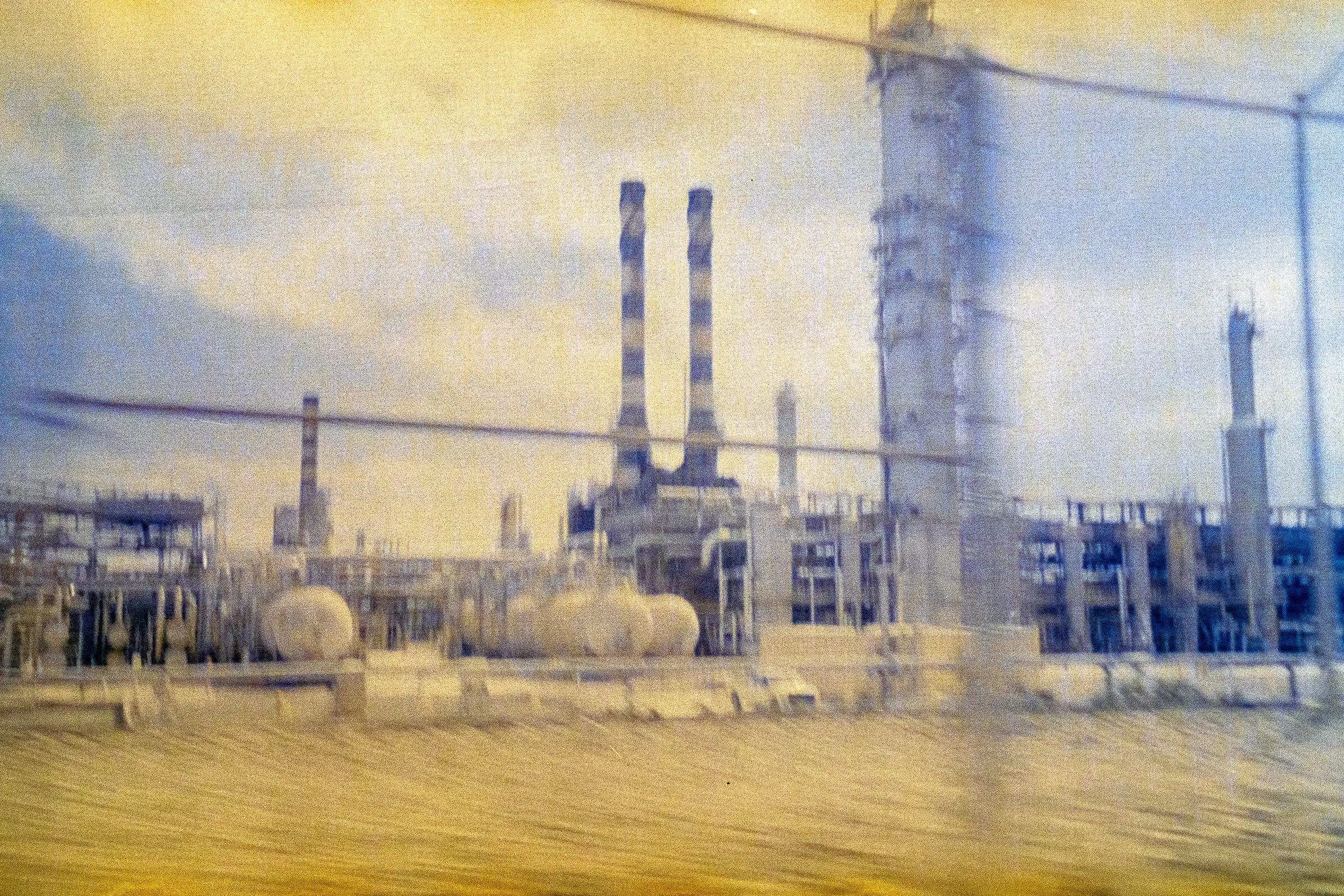
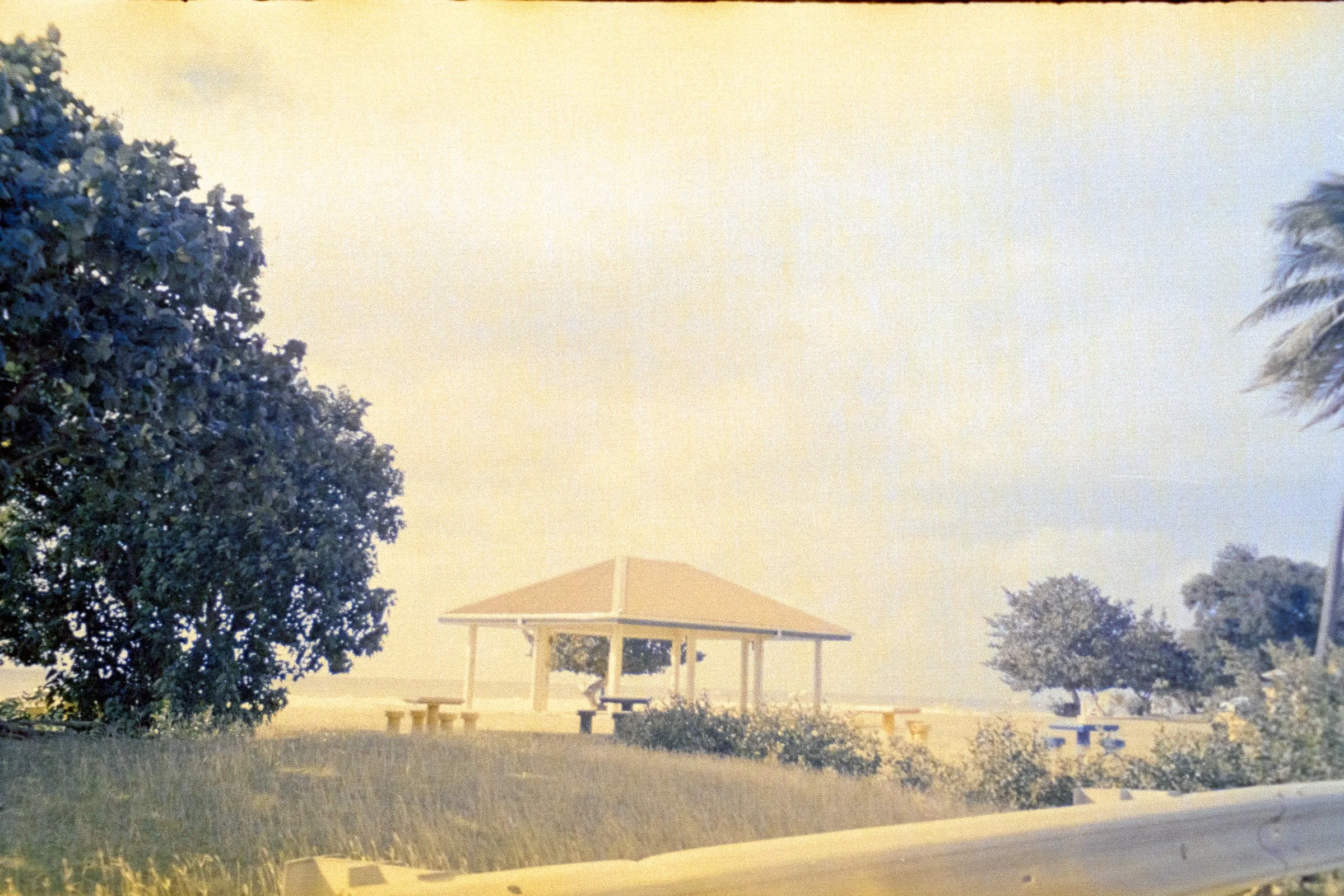
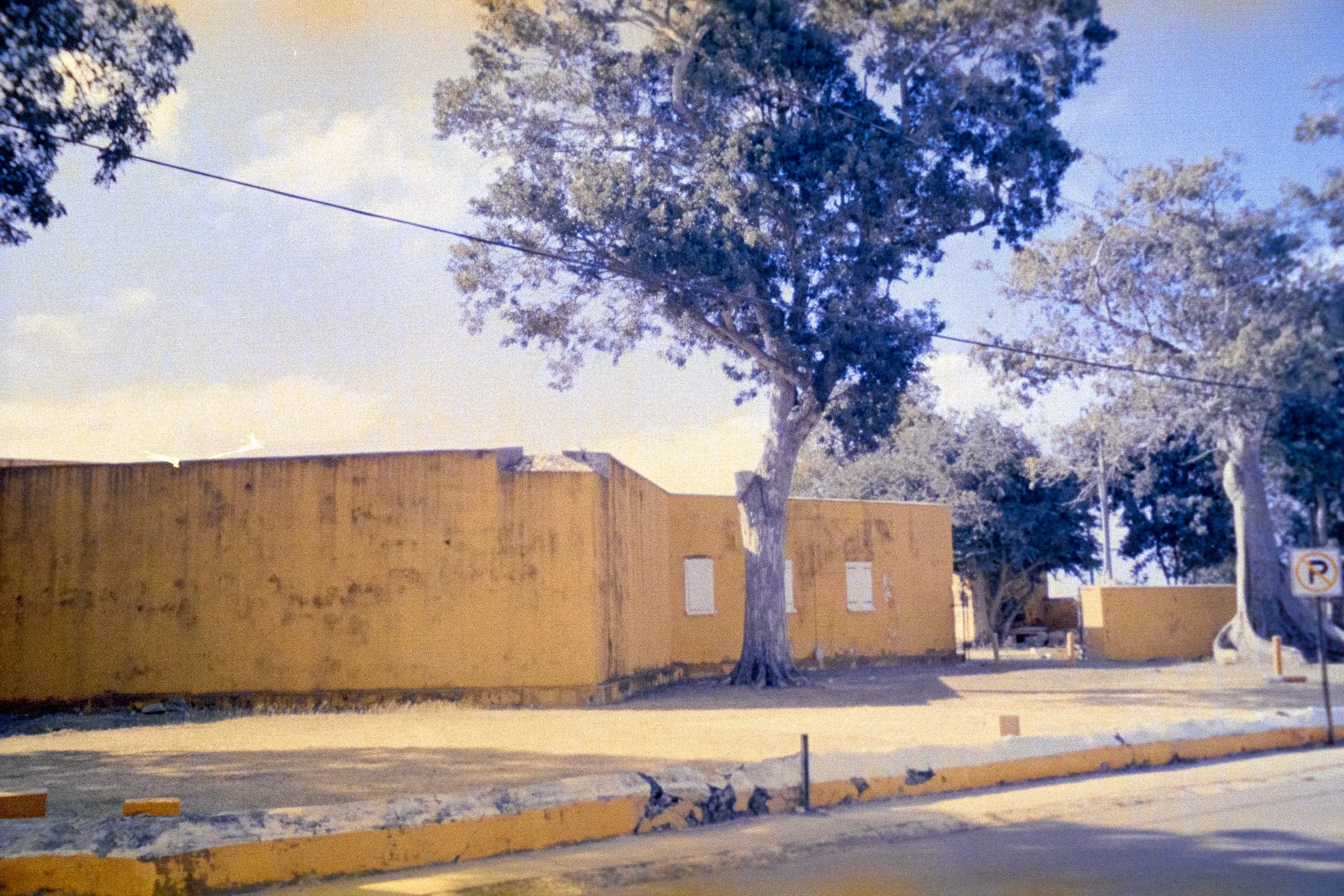
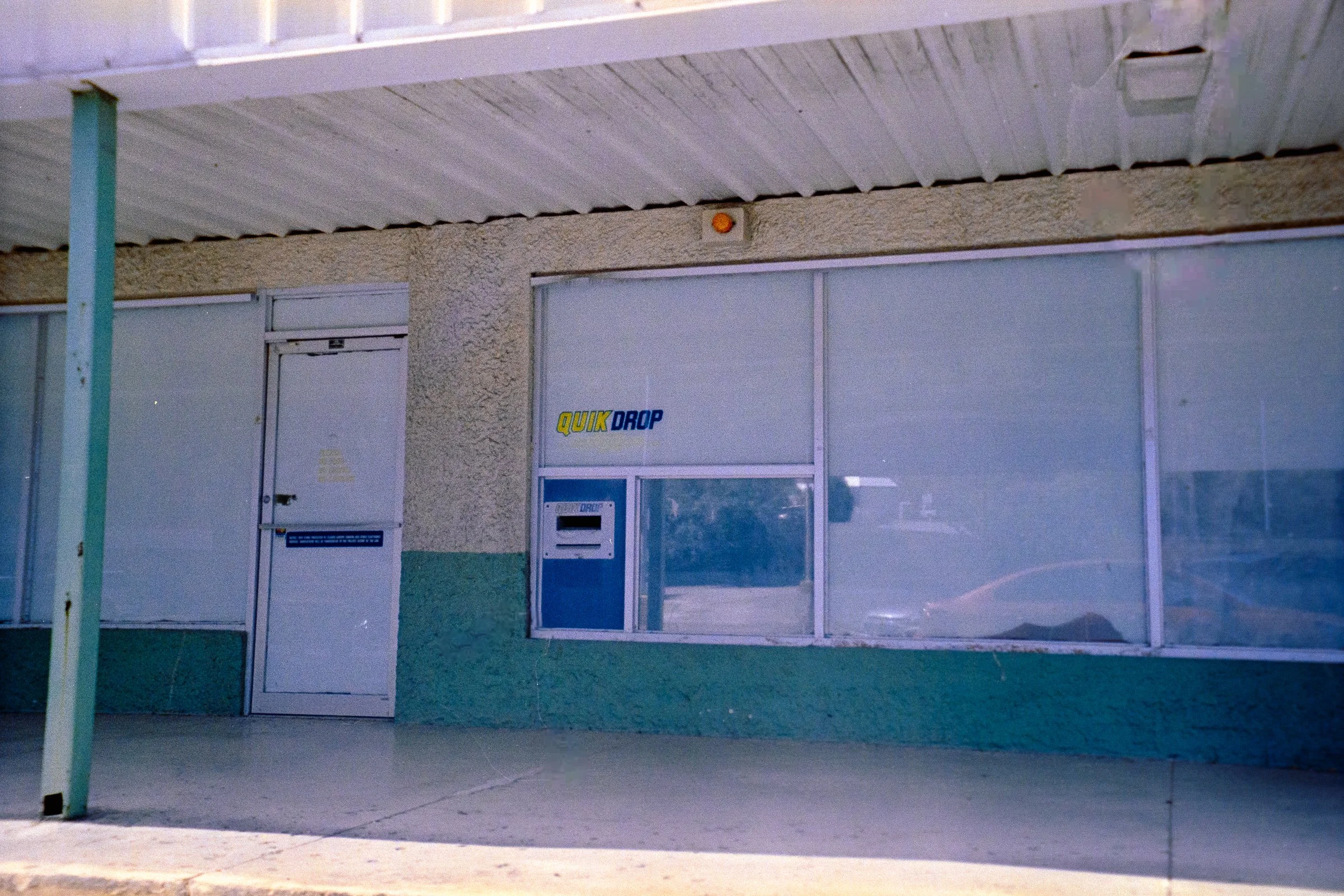
St. Croix, US Virgin Islands — The project's origin and its most personal site. Two hundred and fifty years of Danish colonial administration followed by American governance without representation. The displacement crisis, the housing crisis, the hurricane, the slow erosion of a community from the inside. And my own body in it — belonging and not belonging at once.
Peru — Fall 2026, Arquetopia Foundation. The colonial scars legible in the Andean landscape and in the lives of Indigenous communities. How erasure operates differently across a related history. The St. Croix and Peru work are in active conversation with each other.
Mexico City — The colonial city as recurring form. Its buried pre-colonial landscape, its present-day dispossession, the architecture of extraction that appears everywhere empire went.
Hong Kong — The camp where Eileen Elizabeth's body was reshaped. The landscape of Stanley today — the villas built over the internment site, the prison that remains, the sea. The Public Records Office and its archives of civilian internment. My own body photographed in the spaces where hers was transformed.
Copenhagen, Denmark — The Rigsarkivet holds approximately one mile of shelving of Danish West Indies colonial records: plantation logs, police court protocols, administrative files covering 250 years of St. Croix's history under Danish rule. These records — the paperwork of everything done to the island I grew up on — sit in an archive in a Scandinavian capital that most people from St. Croix have never entered. I am going to enter it.
The Method
This is a dual-medium project: documentary photography and literary nonfiction. The photographs are not illustrations of the writing. The writing is not captions for the photographs. They are two separate investigations of the same questions, running in parallel, in conversation.
The photographic work is concerned with what is structurally present but visually unmarked: the architecture of dispossession, the landscape of extraction, and the body as historical record.
The writing is long-form creative nonfiction that moves between personal history, archival research, cultural analysis, and on-the-ground reportage. The body — Eileen Elizabeth's spine, my spine, the colonial city's bones — is the primary text throughout.
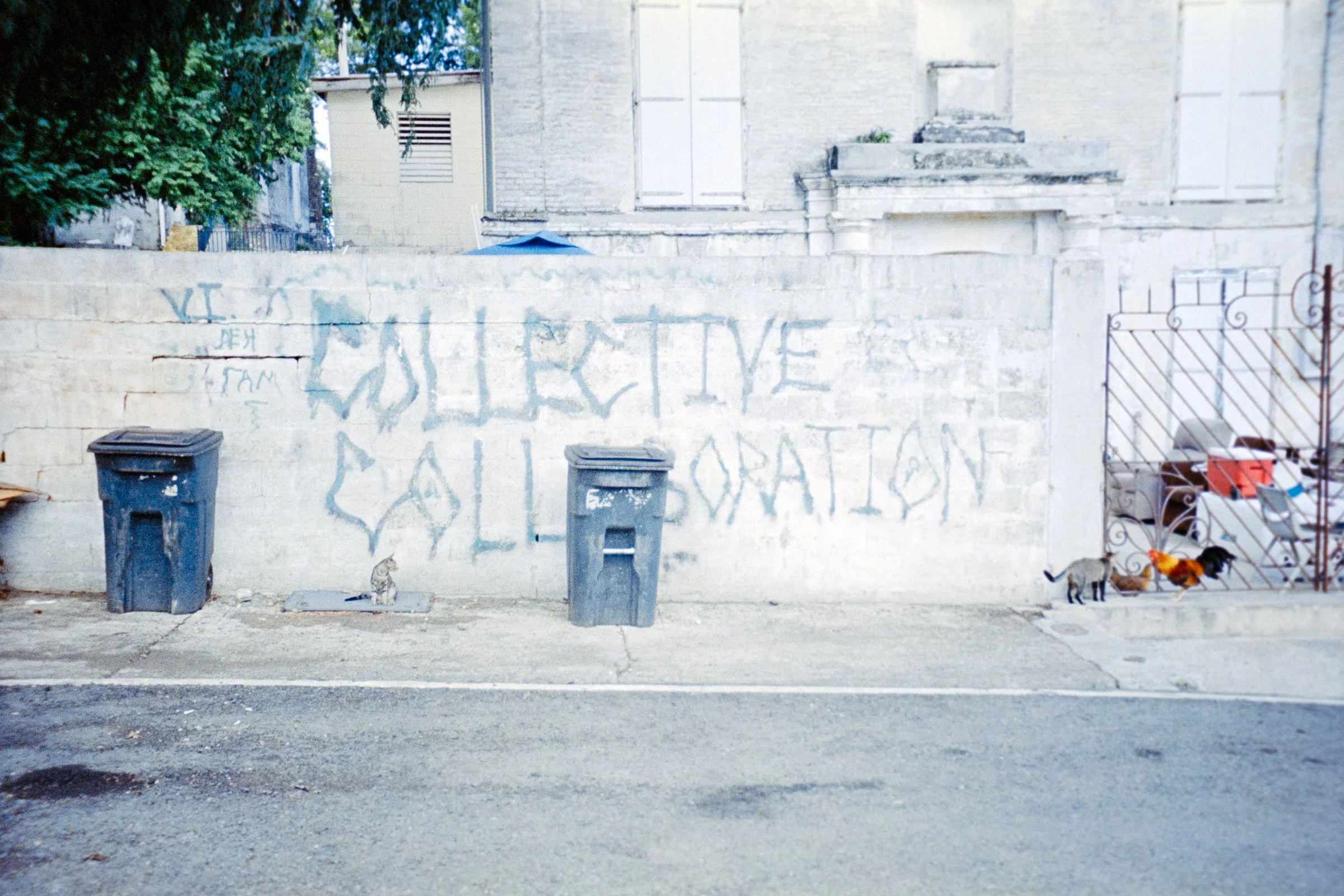
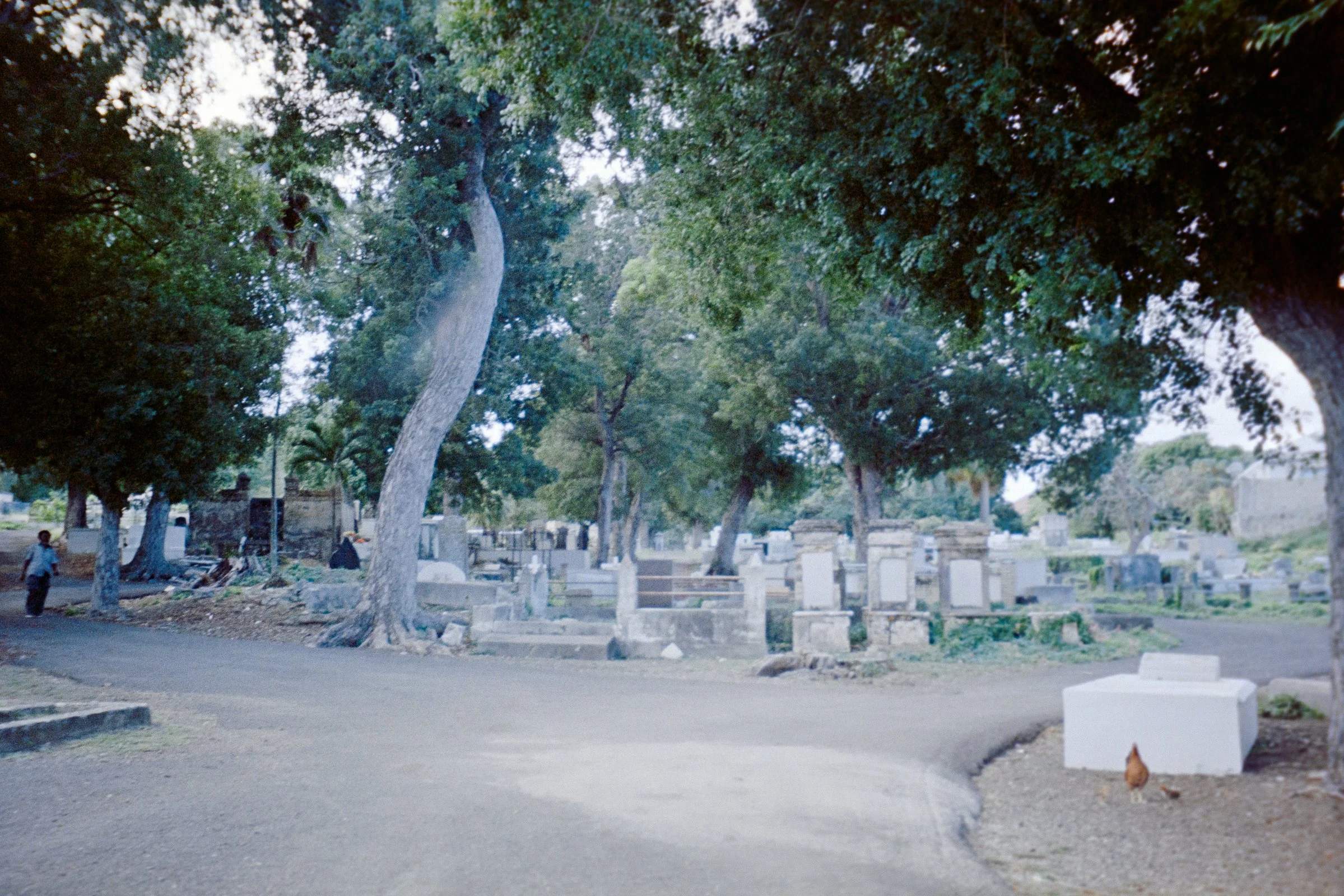
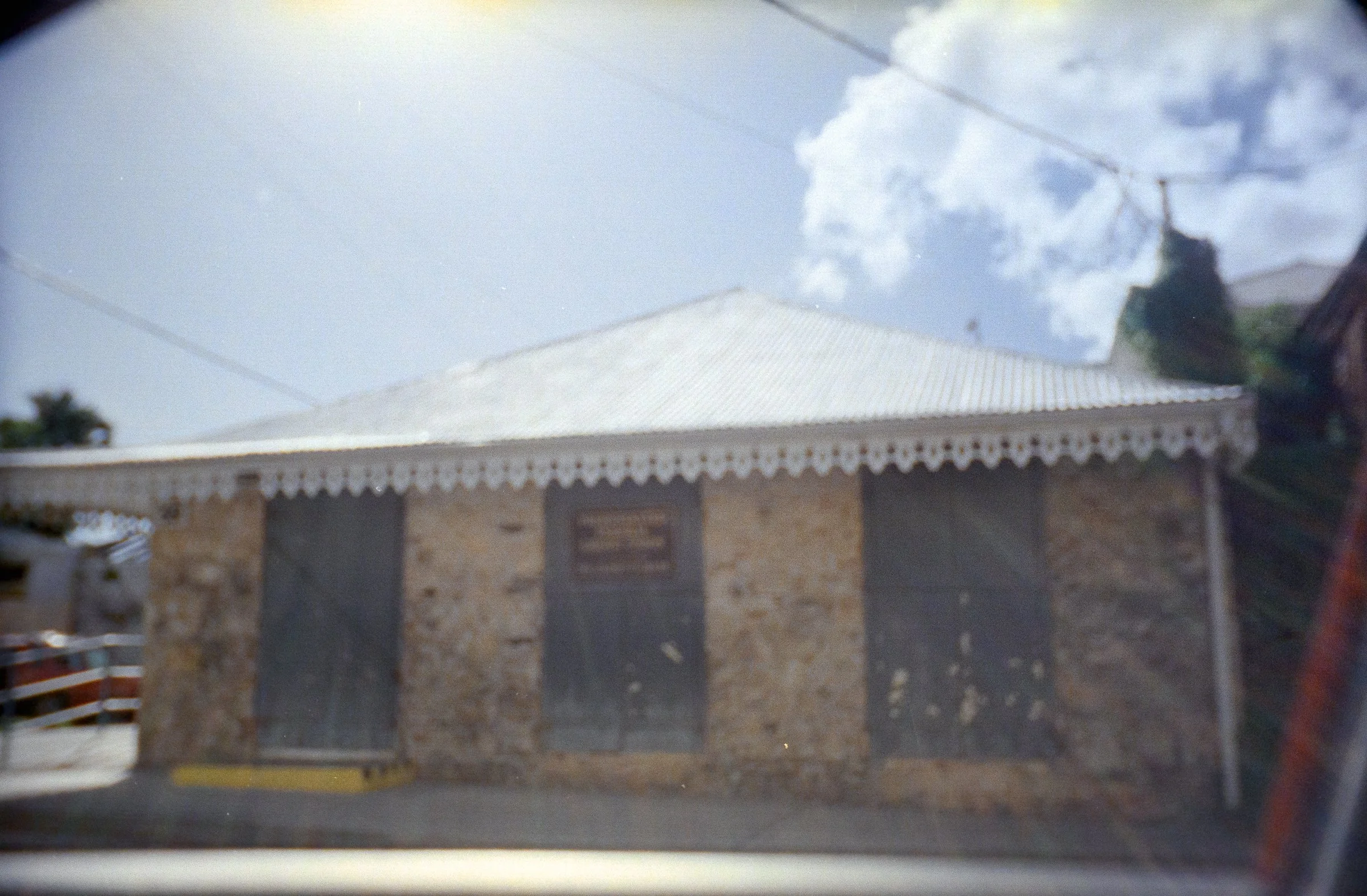
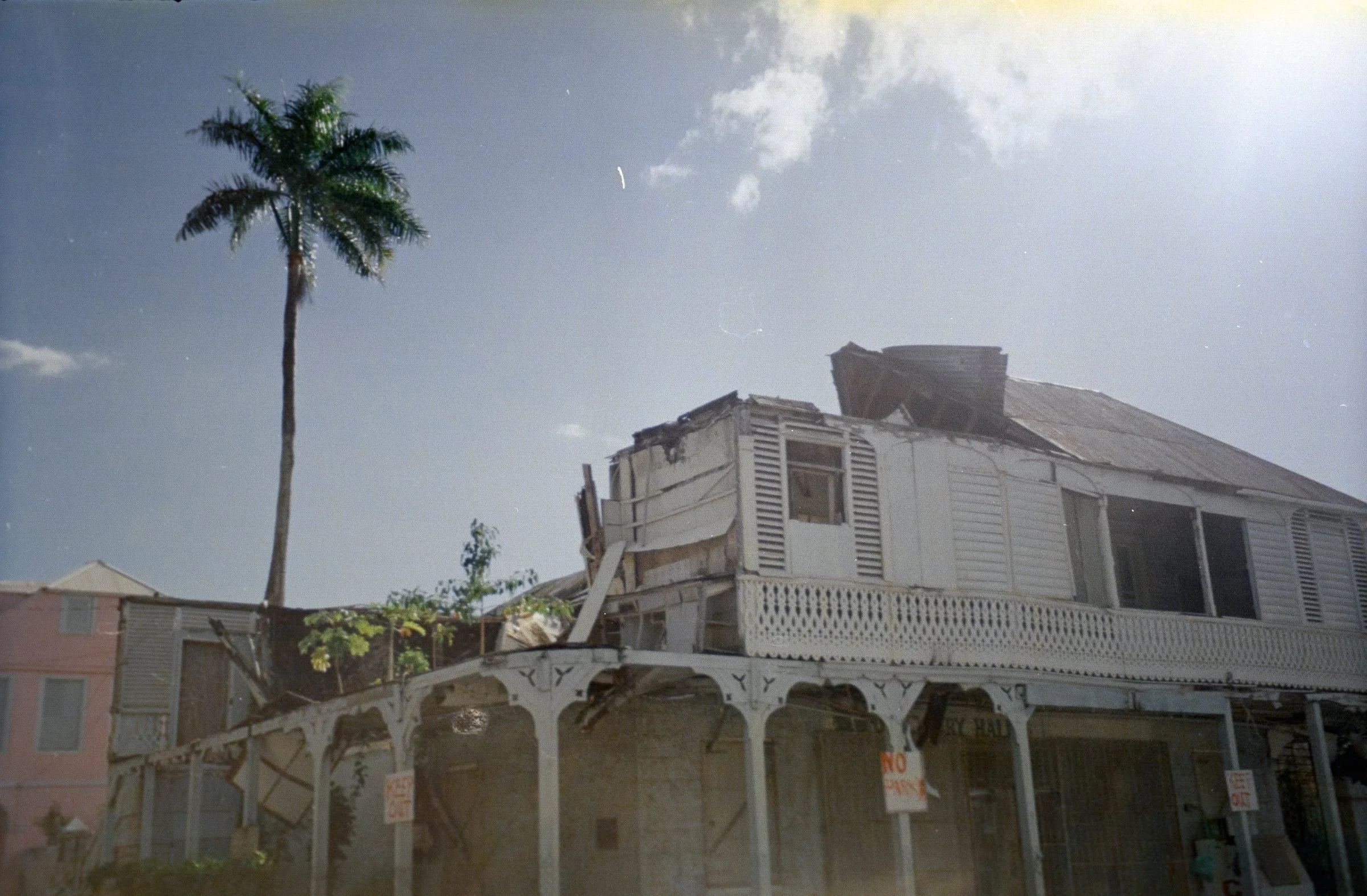
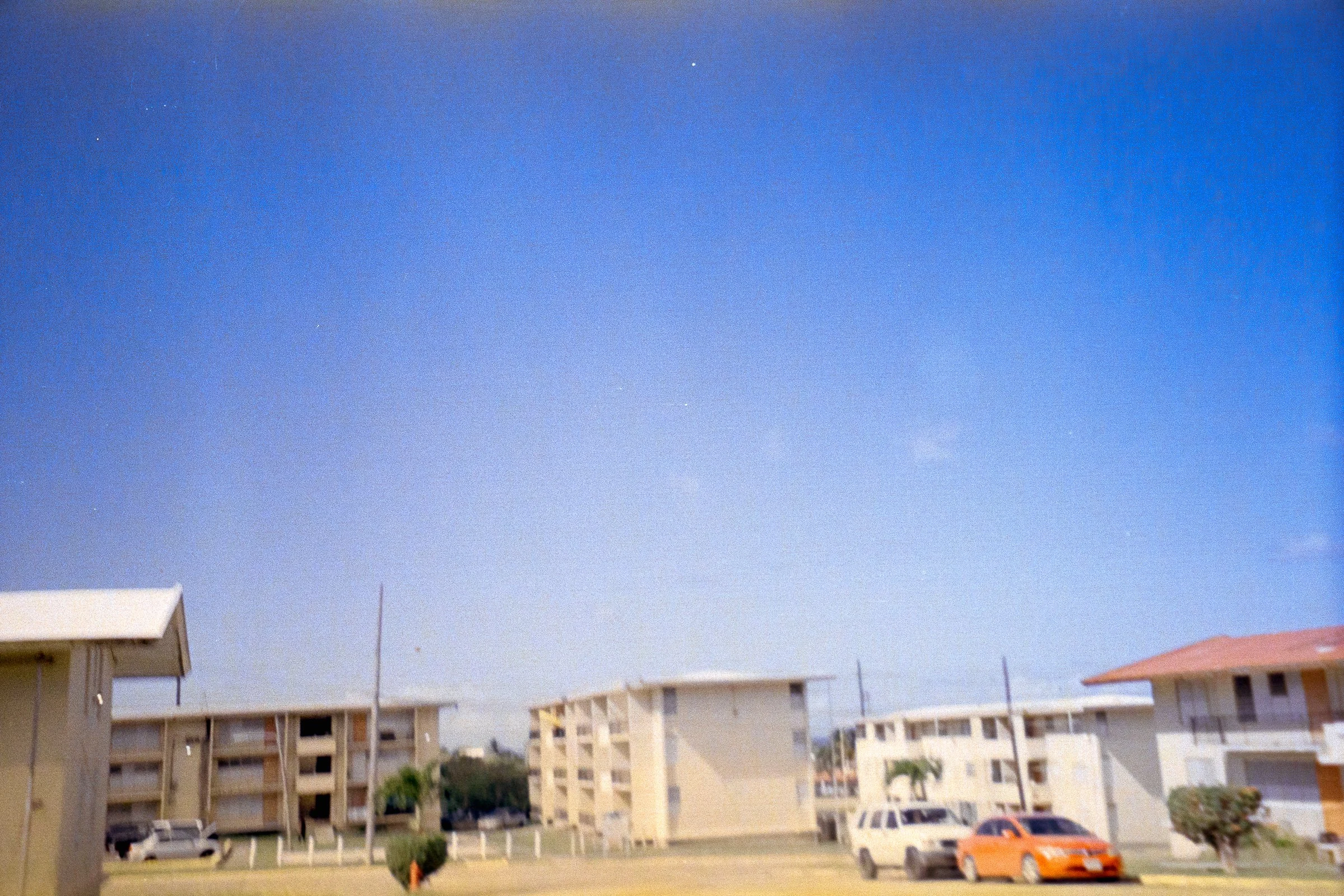
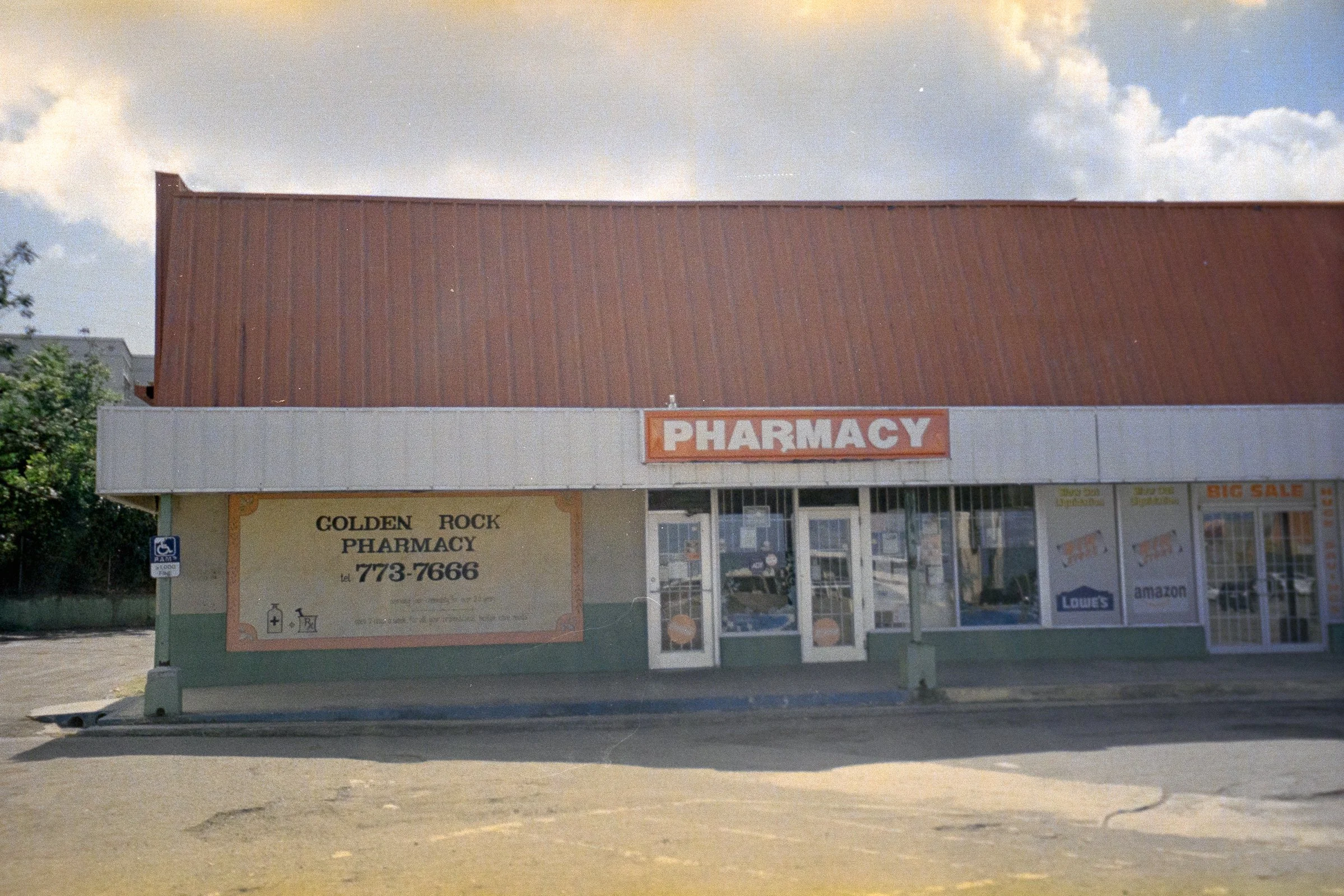
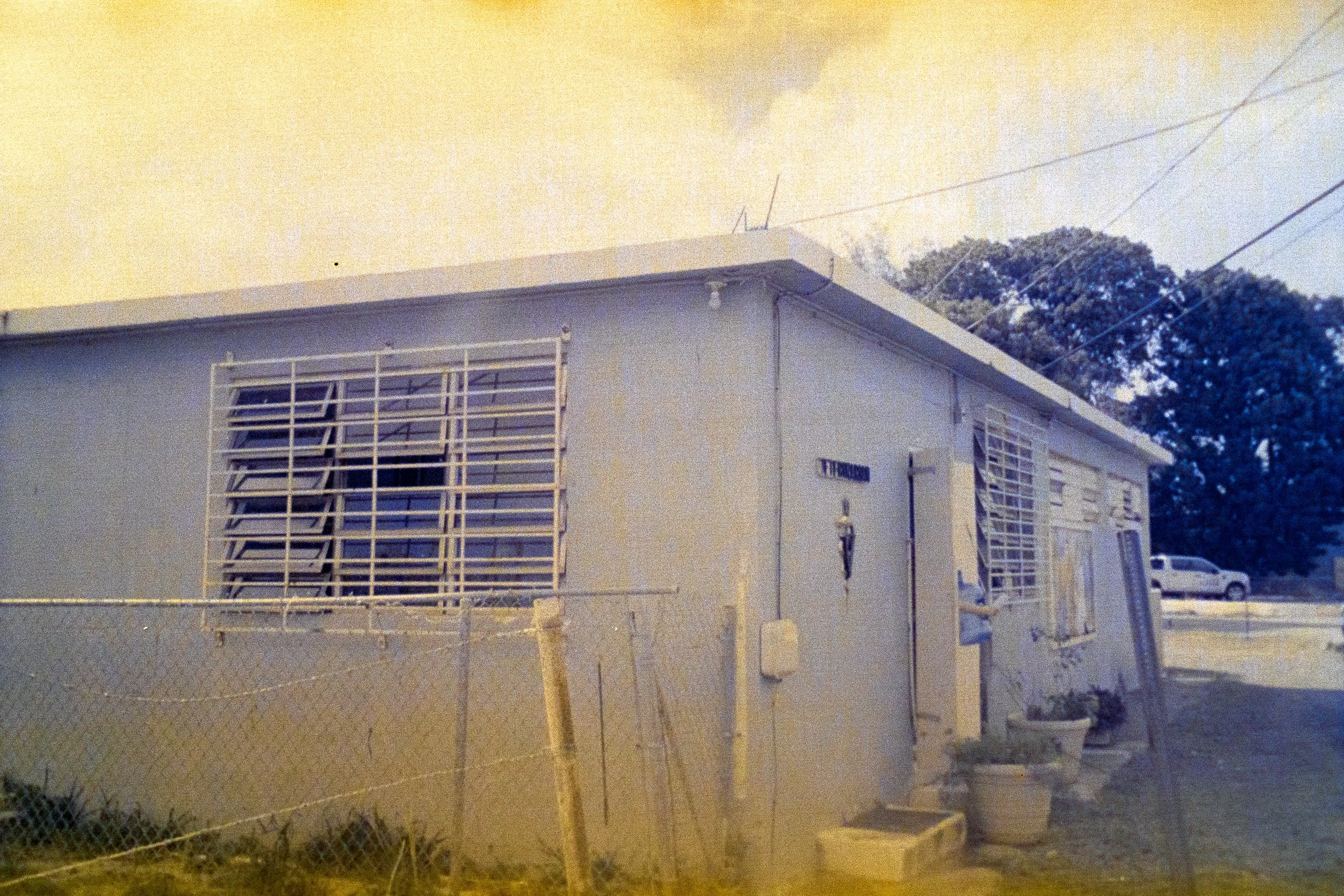
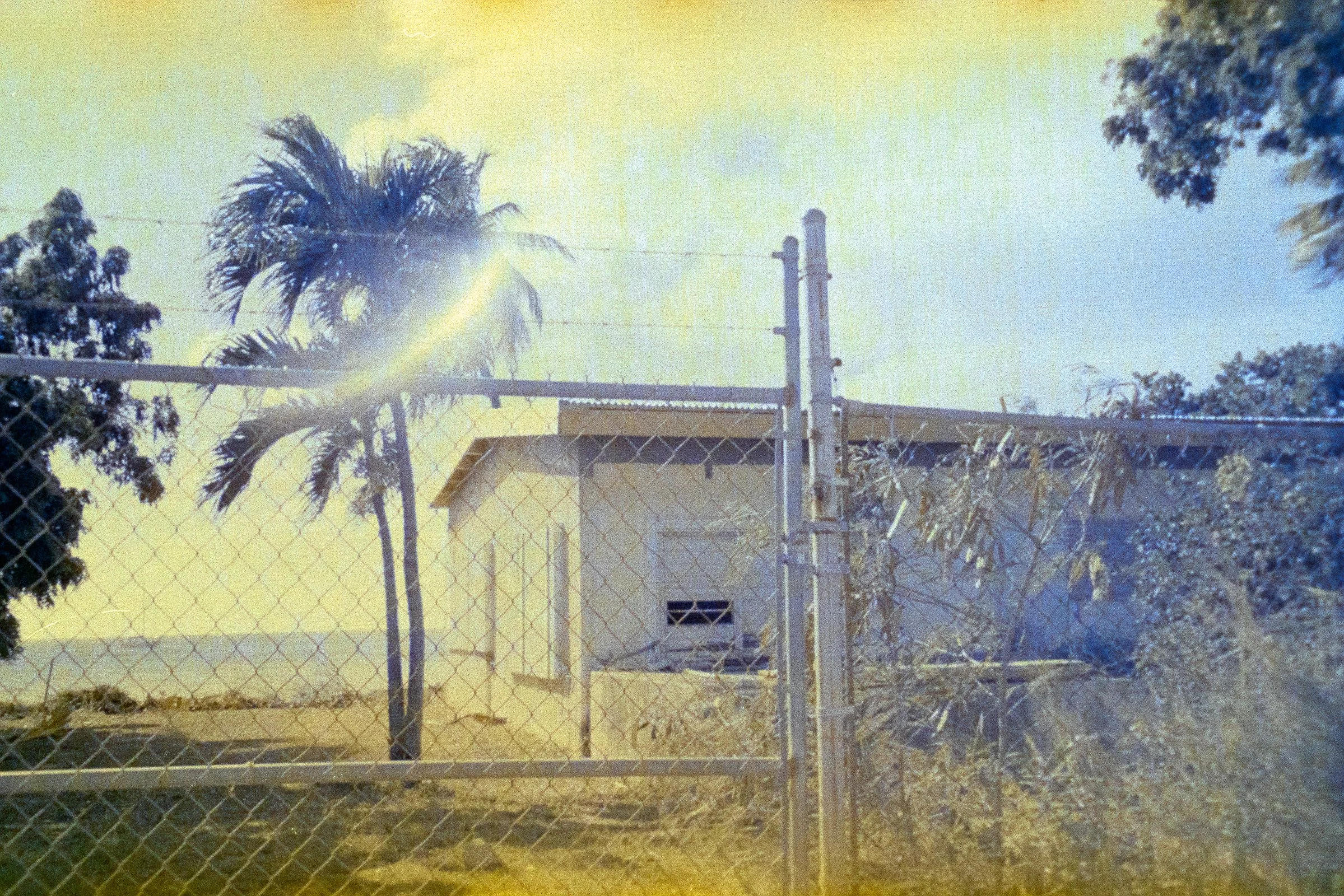
All photographs: 35mm film, St. Croix, US Virgin Islands, 2024. CE Reynolds.
The Inherited Wound is an ongoing project. For inquiries, collaboration, or research correspondence: theredmeleemedia@protonmail.com